Highlights
Age Groups Seen
- Adult
Languages
- English
Gender
MaleAbout
Biography
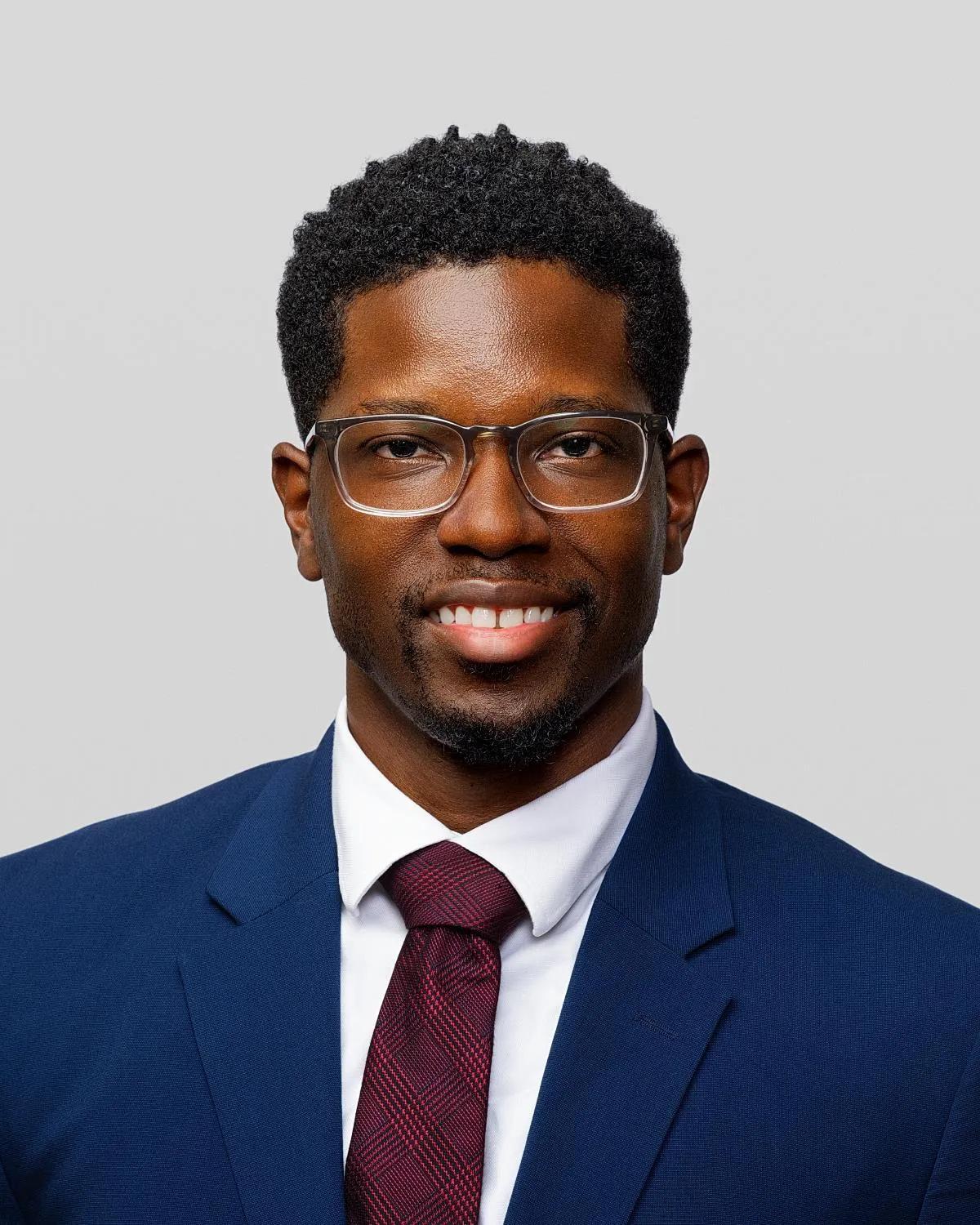
Lamont J. Wilkins, MD, is a urologic surgeon with expertise in robotic, minimally invasive, and open surgical techniques. He provides comprehensive care for a wide range of urologic conditions, with clinical interests including benign prostatic hyperplasia (BPH), urologic oncology (prostate and kidney cancer), kidney stone disease, and sexual health and wellness. He is committed to providing compassionate, affirming care and partnering with all patients to develop individualized treatment plans that prioritize both clinical outcomes and quality of life.
Dr Wilkins earned his Doctor of Medicine degree from the Cleveland Clinic Lerner College of Medicine of Case Western Reserve University and completed his urology residency at the renowned James Buchanan Brady Urological Institute at Johns Hopkins University in Baltimore, Maryland.
In addition to his clinical practice, Dr. Wilkins has contributed to research focused on urolog8c oncology, kidney stone disease, and health outcomes. His scholarly work has been published in leading peer-reviewed medical journals and reflects his commitment to advancing the field of urology through research and innovation.
Specialty Interests:
Robotic and minimally invasive surgery
Benign Prostatic hyperplasia (BPH)
Prostate Cancer
Kidney Cancer
Kidney Stone Disease
Sexual Health and Wellness
Locations
- Tradition HealthPark Two
- 10080 Southwest Innovation Way, Port St Lucie, FL 34987
- Get Directions
Education & Board Certifications
Education
- Residency: Johns Hopkins University School of Medicine, 2026
- Medical Education: Cleveland Clinic Lerner College of Medicine of Case Western Reserve University, 2020
- Undergraduate: Wayne State University, 2014
Research & Publications
Industry Relationships
Cleveland Clinic physicians and scientists collaborate with industry to advance medical breakthroughs. These partnerships help commercialize discoveries for public benefit while maintaining scientific integrity. To ensure transparency and minimize potential bias, Cleveland Clinic reviews these relationships and publicly discloses when physicians/scientists receive significant compensation for consulting, serve in fiduciary roles, receive royalties, or hold equity interests related to their work. We manage potential conflicts through approval processes, annual reporting, and targeted management plans.
As of 2026-10-27, Dr. Wilkins has reported no financial relationship with industry that is applicable to this listing.
In general, patients should feel free to contact their doctor about any of the relationships and how the relationships are overseen by Cleveland Clinic. To learn more about Cleveland Clinic's policies on collaborations with industry and innovation management, go to our Integrity in Innovation page.
Public Health Service-Reportable Financial Conflicts of Interest. Cleveland Clinic scientists and physicians engage in basic, translational and clinical research activities, working to solve health problems, enhance patient care and improve quality of life for patients. Interactions with industry are essential to bringing the researchers' discoveries to the public, but can present the potential for conflicts of interest related to their research activities. Click here to view a listing of instances where Cleveland Clinic has identified a Public Health Service (PHS)-Reportable Financial Conflict of Interest and has put measures in place to ensure that, to the extent possible, the design, conduct and reporting of the research is free from bias.
* Cleveland Clinic physicians and scientists subscribe to the guidance presented in the PhRMA Code on Interactions with Healthcare Professionals and the AdvaMed Code of Ethics on Interactions with Health Care Professionals. As such, gifts of substantial value are generally prohibited.
Insurances Accepted
Reviews
4.8 of 5 stars
42 Ratings, 0 ReviewsThe Patient Satisfaction Rating is an average of all responses to the care provider related questions shown below from our survey. Patients that are treated in outpatient or hospital environments may receive different surveys, and the volume of responses will vary by question.