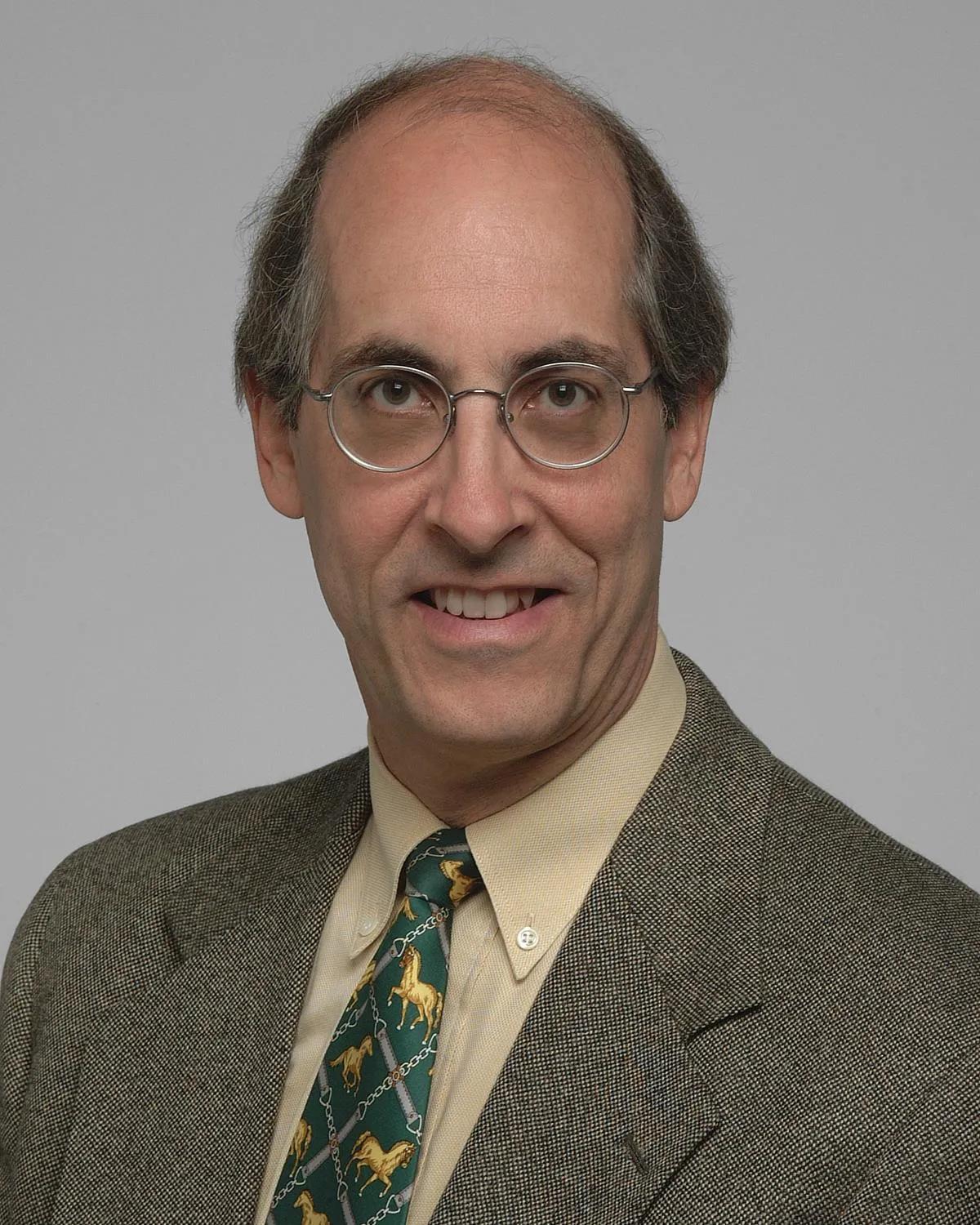
Richard Burgess, MD
Epilepsy Neurology
Highlights
Age Groups Seen
- Adult
Languages
- English
Gender
MaleAbout
Biography
After obtaining a B.S. with honors in Electrical Engineering, Richard C. Burgess received the Ph.D. in Biomedical Engineering and M.D. degrees from Case Western Reserve University in 1975 and 1977 respectively and completed his residency at University Hospitals of Cleveland in 1980. From 1980 to 1986, he was at the National Institutes of Health investigating computer techniques for neurophysiological monitoring of intensive care patients.
In 1986 he joined the Professional Staff in the Department of Neurology at the Cleveland Clinic Foundation. Dr. Burgess formed a group responsible for applications of computers to clinical neurophysiology and clinical information support systems. From 1990 to 2004, Dr Burgess was Head, Section of Neurological Computing at the Cleveland Clinic, technical director of the Epilepsy Monitoring Unit at the v.Bodeschwingsche Anstalten Bethel in Bielefeld, Germany, and Associate Editor of the Journal of Clinical Neurophysiology.
In addition, Dr. Burgess was president of Vangard, a commercial entity formed in 1994 as an outgrowth of the technology which was developed by the Section of Neurological Computing for assessment of patients with epilepsy and other neurological disorders. Vangard was sold into the private sector in 2000. Dr. Burgess has leadership and board positions in the American Epilepsy Society and the American Clinical MEG Society, and he is a member of the the American Clinical Neurophysiological Society, the IEEE Engineering in Medicine and Biology Society, the American Academy of Neurology, and the American Medical Association.
Most recently, he has been responsible for bringing to the Cleveland Clinic magnetoencephalography, a sophisticated functional measurement system for assessing normal and abnormal brain function. The MEG system was installed at CCF in 2008, and Dr. Burgess now conducts assessments of more patients with complicated epilepsy than at any other center, totaling over 400 by 2011.
Education & Board Certifications
Education
- Residency: University Hospitals Regional Hospitals, 1980
- Medical Education: Case Western Reserve University School of Medicine, 1977
- Graduate School: Case Western Reserve University, 1975
- Undergraduate: Lafayette College, 1969
Board Certifications
- Clinical Neurophysiology: American Board of Clinical Neurophysiology, 1989
Professional Highlights
- From 1988 to 2001, Dr. Burgess was the Technical Director of the von Bodelschwinghsche Anstalten Bethel Epilepsy Program, Krankenhaus Mara, in Bielefeld, Germany, successfully transferring the CCF EEG-video monitoring technology to this European medical partner.
- Dr. Burgess established the Section of Neurological Computing and became its Section Head in 1990.
- From 1988 to 1997 he was associate editor of the Journal of Clinical Neurophysiology.
- As president of Vangard, Dr. Burgess received the Ohio Governor’s Excellence in Exporting Award and was recognized by Crain’s Cleveland Business as a Cleveland Technology Leader.
- Dr. Burgess is Adjunct Professor of Biomedical Engineering at Case Western Reserve University, where he has been primary thesis advisor to Ph.D. and M.S. students, as well as an undergraduate teacher.
- As a leader of the ACMEGS Clinical Practice Guidelines taskforce, Dr. Burgess has promulgated magnetoencephalography guidelines in 2011, recently also endorsed by the American Clinical Neurophysiology Society.
Additional Training
- National Institutes of Health Senior Staff Fellow.
Awards
- Hans Berger Award, American Electroencephalographic Society
- Ohio Enterprise Development Innovations Award
- Epilepsy Staff Teacher of the Year
Professional Memberships
Innovations & Patents
Dr Burgess developed a comprehensive, computerized EEG-video recording and analysis system for continuous monitoring of patients with neurological disorders, used at the Cleveland Clinic for 18 years, and sold in seven countries as the "Vangard System".
Research & Publications
See publications for this provider. (Disclaimer: This search is powered by PubMed, a service of the U.S. National Library of Medicine. PubMed is a third-party website with no affiliation with Cleveland Clinic.)
Industry Relationships
Cleveland Clinic physicians and scientists collaborate with industry to advance medical breakthroughs. These partnerships help commercialize discoveries for public benefit while maintaining scientific integrity. To ensure transparency and minimize potential bias, Cleveland Clinic reviews these relationships and publicly discloses when physicians/scientists receive significant compensation for consulting, serve in fiduciary roles, receive royalties, or hold equity interests related to their work. We manage potential conflicts through approval processes, annual reporting, and targeted management plans.
As of 2026-07-27, Dr. Burgess has reported no financial relationship with industry that is applicable to this listing.
In general, patients should feel free to contact their doctor about any of the relationships and how the relationships are overseen by Cleveland Clinic. To learn more about Cleveland Clinic's policies on collaborations with industry and innovation management, go to our Integrity in Innovation page.
Public Health Service-Reportable Financial Conflicts of Interest. Cleveland Clinic scientists and physicians engage in basic, translational and clinical research activities, working to solve health problems, enhance patient care and improve quality of life for patients. Interactions with industry are essential to bringing the researchers' discoveries to the public, but can present the potential for conflicts of interest related to their research activities. Click here to view a listing of instances where Cleveland Clinic has identified a Public Health Service (PHS)-Reportable Financial Conflict of Interest and has put measures in place to ensure that, to the extent possible, the design, conduct and reporting of the research is free from bias.
* Cleveland Clinic physicians and scientists subscribe to the guidance presented in the PhRMA Code on Interactions with Healthcare Professionals and the AdvaMed Code of Ethics on Interactions with Health Care Professionals. As such, gifts of substantial value are generally prohibited.